
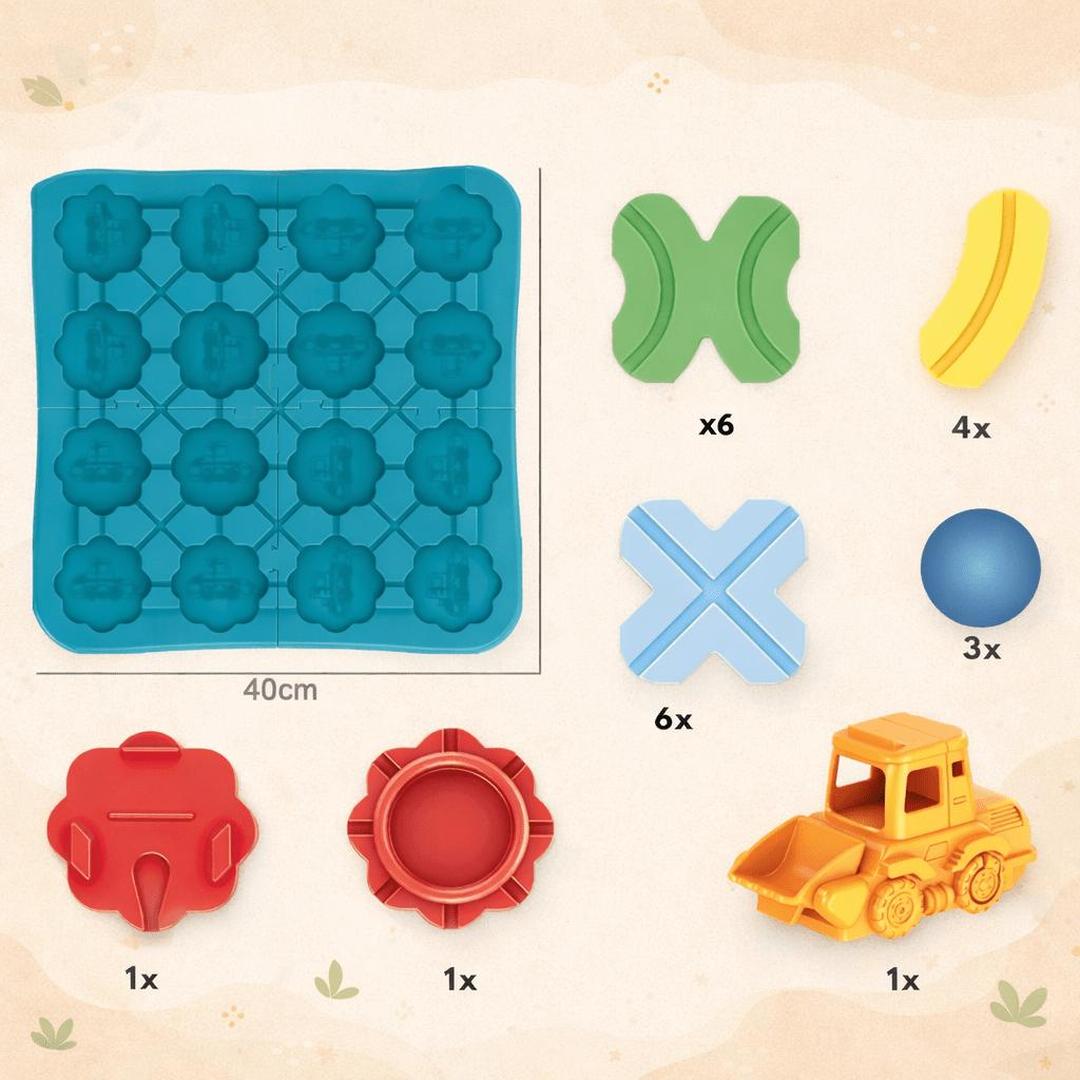
Montessori Street Puzzle Board Game for Children
- 🎁 Free shipping within Ireland
- 🧸 60 days to return
- ✨ 1–2 days processing time (Mon–Sat)
Build pathways across the board to guide the small car from start to finish
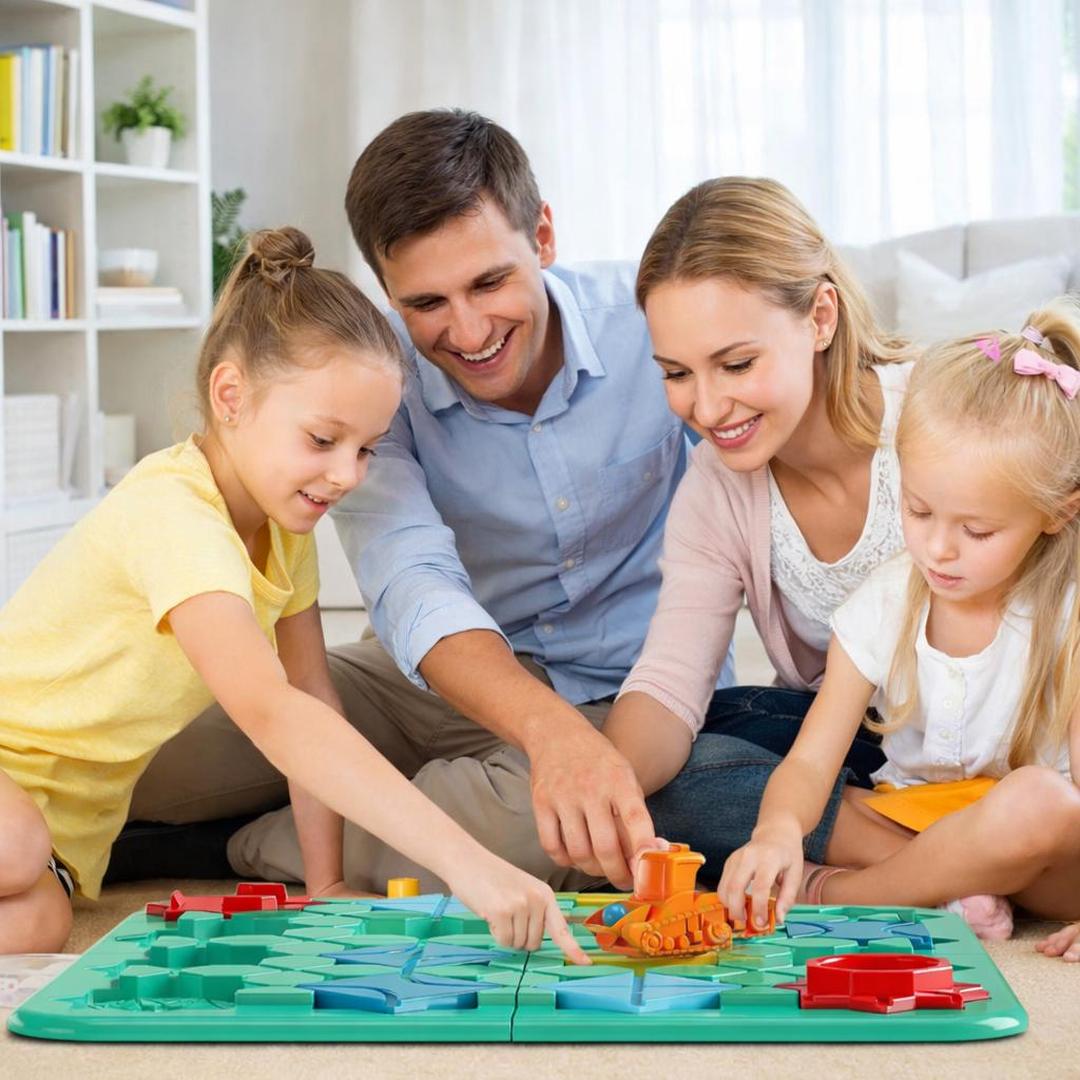
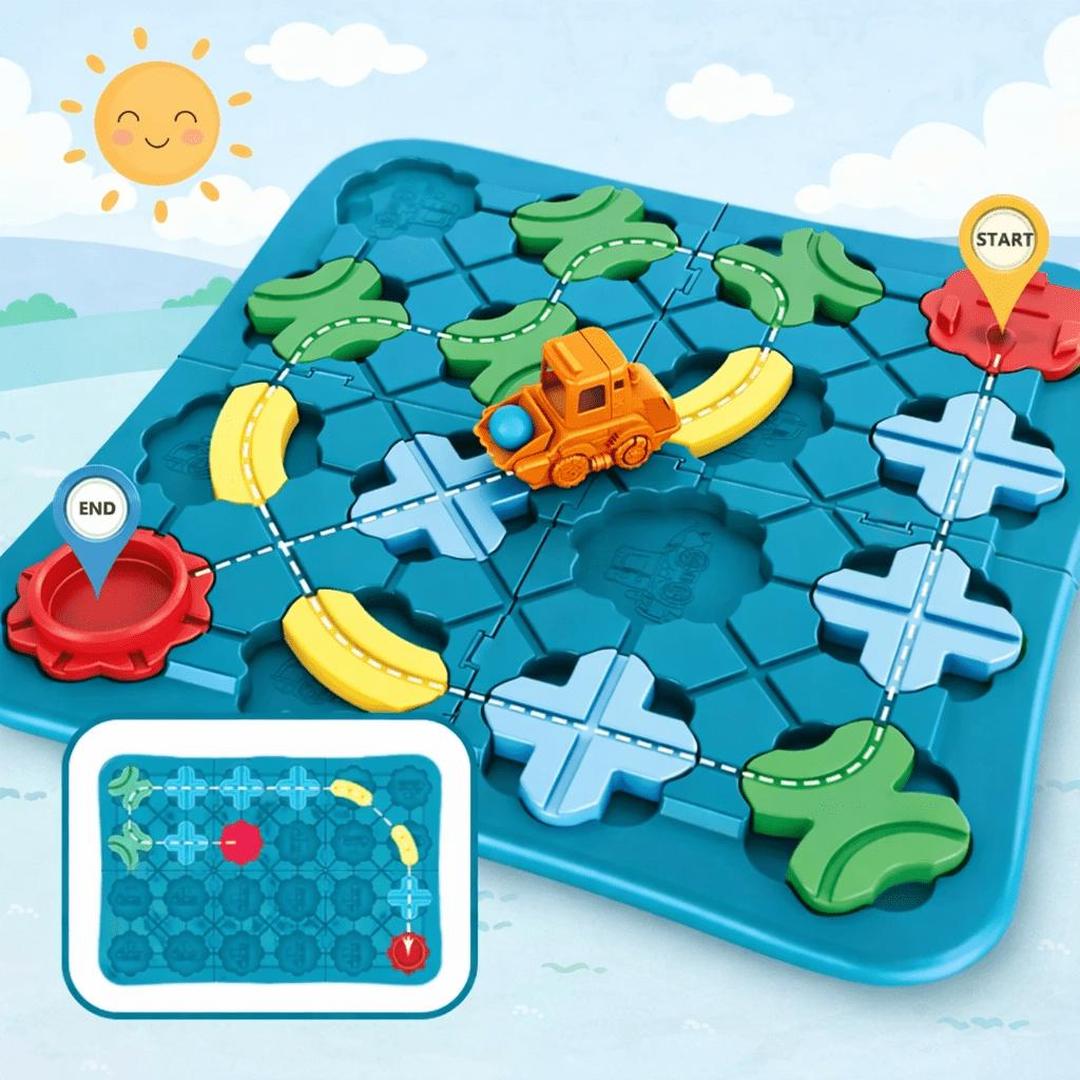
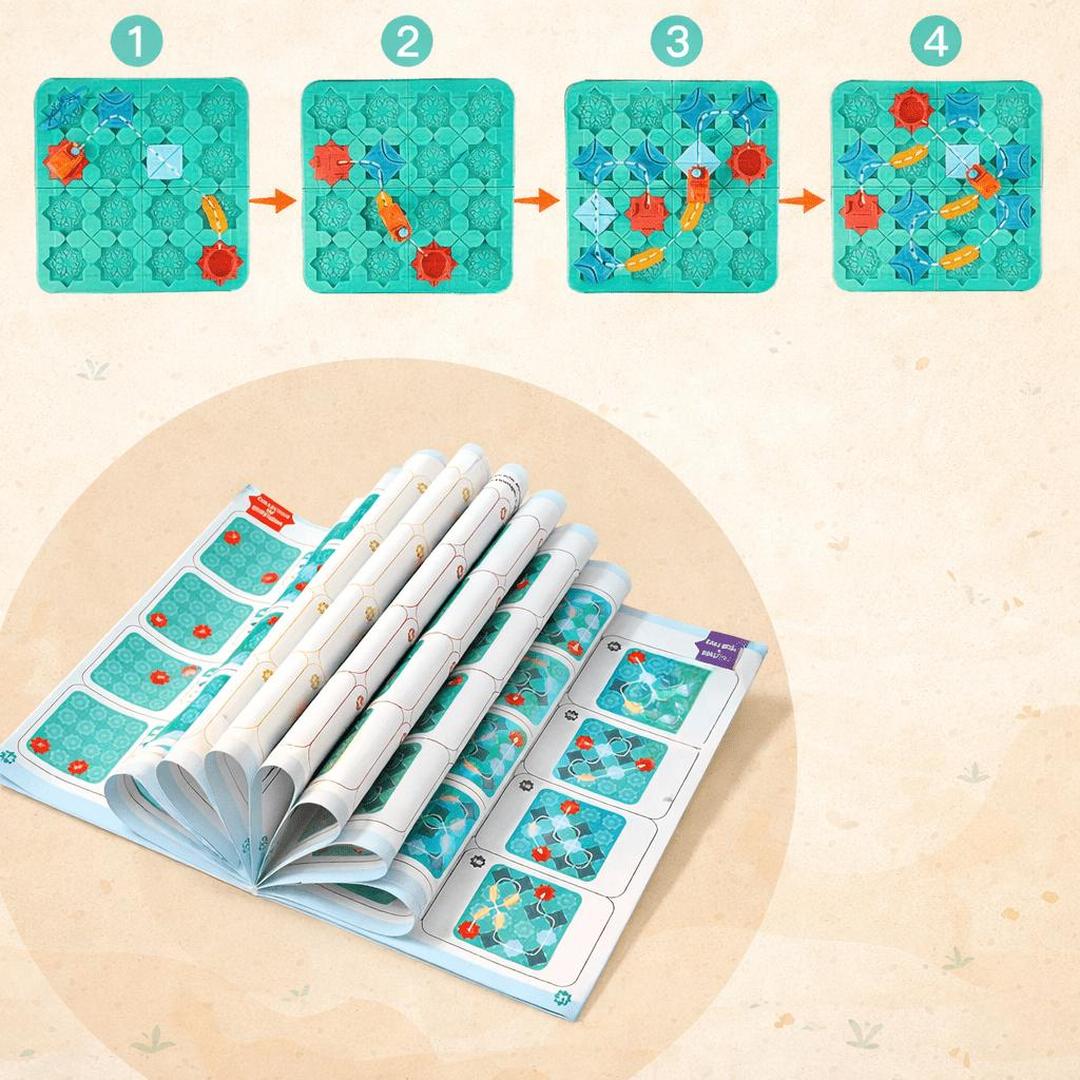
This street puzzle board game invites children to place and rotate road pieces on a flat base to create connected paths for a small toy car. The set includes a square board with fixed connection points and loose path pieces that can be arranged in different ways. By turning and positioning the pieces, children construct routes that link the starting point to the goal. Each new layout offers a fresh configuration to explore, encouraging repeated play as children try out different path solutions on the same board.
Moving the pieces and testing whether the route connects supports hands-on problem-solving. Children can follow the path they have built with their eyes and guide the car along the track to see if the route works as intended. The board format makes it easy to reset and start again, allowing children to compare different layouts and gradually refine their approach to building complete paths.
What children explore while solving the street puzzle:
Path-building challenges: Children rotate and place road pieces to form a continuous route. This supports early problem-solving as they test how different shapes connect to create a complete path across the board.
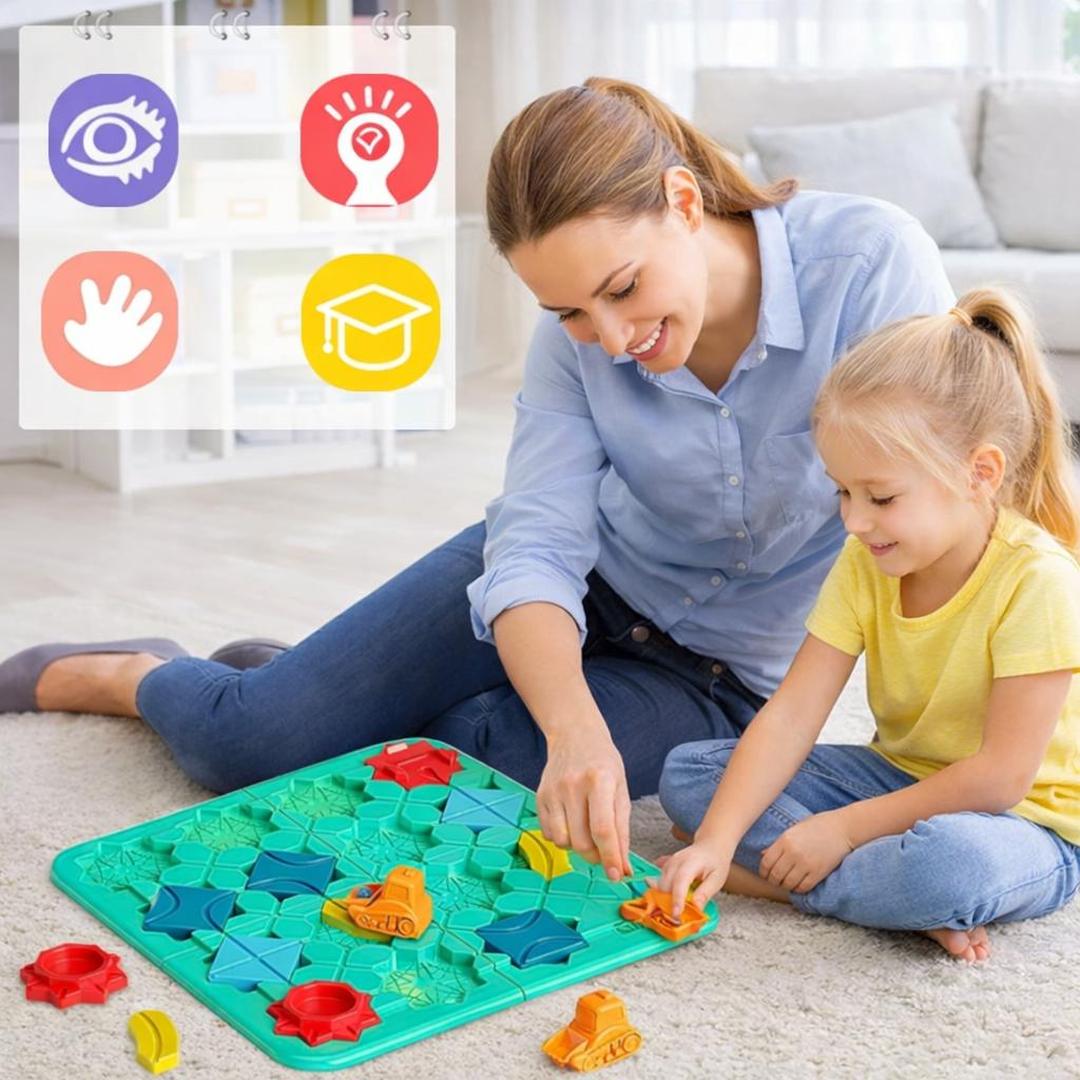
Visual planning: Looking ahead to see where a road piece should go helps children practise visualising steps before acting. This supports planning skills as they decide how to connect the next part of the path.
Hands-on coordination: Picking up and positioning the path pieces involves careful hand movements. This supports fine motor coordination used in everyday activities such as placing puzzle pieces and handling small toys.
Shared problem-solving: Children can work together to build routes, discuss possible connections, and test solutions. This supports cooperation and communication during shared play sessions.
Pattern and logic awareness: Recognising how different road shapes fit together helps children notice patterns and simple logic in spatial layouts. This supports early reasoning skills through hands-on exploration.